
Vinh Nghiem Pagoda
A seven-storey Avalokiteshvara tower, red-tiled prayer hall and open terrace make Vinh Nghiem a rewarding stop for Buddhist architecture. Allow roughly 45–60 minutes and follow the pagoda's guidance around services an...
Quick planning
CHUNG TA TIPWho it suits and how to plan
Suggested visit duration
Around 45–60 minutes; an editorial suggestion, subject to accessible areas and services.
Best time to visit
Daylight for architectural details; avoid interrupting chanting or ceremonies.
General planning suggestions; check access and opening arrangements for your visit.
Practical information
- Tickets
- Opening hours
- Daily 06:00–22:00; individual halls and visitor areas follow temple arrangements.
- Address
- 339 Nam Ky Khoi Nghia Street, Xuan Hoa Ward, Ho Chi Minh City, Vietnam (formerly District 3).
- Official website
- Official website
Photos
5 photoPhoto credits and licenses
Details
Vinh Nghiem Pagoda offers an introduction to Vietnamese Buddhist architecture without leaving central Ho Chi Minh City. Allow about 45–60 minutes at this working temple at 339 Nam Ky Khoi Nghia Street. The seven-storey Avalokiteshvara tower and red-tiled prayer hall are its main landmarks. Keep entrances and circulation routes clear for worshippers and people using the temple.
Look at the tower, rooflines and raised prayer hall
Construction began in 1964 and the main complex was substantially completed in 1971. Its design brings the traditional forms of northern Vietnamese pagodas into a modern urban building. From the courtyard, study the tower's stacked, upturned eaves, then the prayer hall's tiles, balustrades and woodcarving. The hall stands on an upper level reached by steps. Roof ridges and entrance details offer plenty to see without entering rooms used for other purposes. This twentieth-century Saigon pagoda is distinct from the historic Vinh Nghiem temple in northern Vietnam.
Who will enjoy a visit, and who should plan for steps?
The pagoda suits travellers interested in Buddhism, architecture and the city's cultural life. Families can observe roof shapes, tower levels and the layout without taking part in religious rituals. The raised prayer-hall terrace has steps. Ask about a suitable route before arriving with a wheelchair or pushchair, or with anyone who finds stairs difficult. Viewing the exterior from permitted courtyard areas is an option when going upstairs is impractical; full step-free access should not be assumed.
Visit in daylight and follow worship arrangements
General opening hours are 06:00–22:00 daily. Daylight makes the architecture and entrances easier to see, while individual halls may close or change access during chanting, ceremonies or temple business. Check the pagoda's information before setting out and follow directions on arrival. Cover shoulders and knees, remove shoes where instructed, and ask before photographing sacred images or ceremonies. Avoid flash and do not cross in front of people praying or block stairs for photographs. Ask the temple about any visiting charge; offerings, voluntary donations and parking are separate matters. A packaged tour is not necessary simply to visit.
Take a taxi to 339 Nam Ky Khoi Nghia
From hotels near Dong Khoi Street or Ben Thanh Market, a taxi or Grab is a practical choice. Give the driver the precise destination: Chùa Vĩnh Nghiêm, 339 Nam Kỳ Khởi Nghĩa. Journey time depends on your starting point and traffic. Use a permitted drop-off point and avoid stopping amid moving traffic. Walking is more practical if you are staying nearby. With older relatives or in rain, save your walking for the temple grounds.
Combine it with Tan Dinh Market and the church exterior
Continue towards the Tan Dinh Market area for a meal and a look at Tan Dinh Church's exterior. This makes a varied half-day of Buddhist architecture, market streets and another religious landmark, using taxis between stops as needed. Access inside the church follows its own arrangements, and meals are at your own expense. Independent transport is usually enough for this single temple. Travellers seeking a wider cultural route with Mandarin commentary can explore ChungTa Travel's private Chinese-speaking guide service. Share your date, party size and intended stops, then confirm service hours, separately charged transport and overtime terms.
Visiting questions
Can non-Buddhists visit?
Follow the pagoda's instructions for open areas. You do not need to join worship to appreciate the architecture. During a ceremony, stay in the designated area or view the courtyard and exterior.
Can I climb the tower for a city view?
Plan to appreciate it from ground level and open terraces. Tower climbing is not a routine tourist activity; ask about access and never enter a closed staircase.
Nearby trips and transport


Location
Open in Google Maps339 Nam Ky Khoi Nghia Street, Xuan Hoa Ward, Ho Chi Minh City, Vietnam (formerly District 3).
Related attractions
More attractions in this area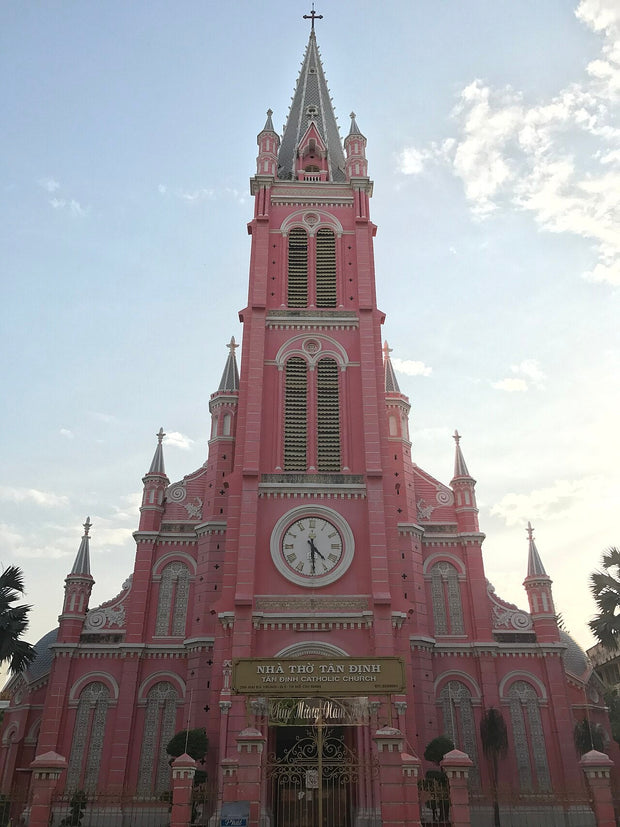 Tan Dinh Pink Church
Tan Dinh Church on Hai Bà Trưng Street is a striking religious building in Ho...
View details
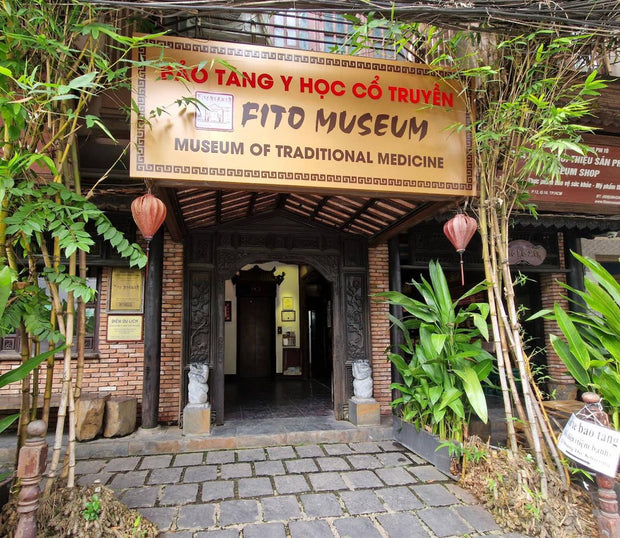 FITO Museum
 at 41 Hoang Du Khuong Street explores the history of Vietnamese m...
View details
 War Remnants Museum
The War Remnants Museum presents wartime history and its effects through phot...
View details
Want to add this attraction to your itinerary?
We can help arrange a smoother route based on your departure city, trip length, private car, guide language, and family needs.