
Saigon Central Mosque
Pale-green arcades and slender minarets mark this working mosque just off Dong Khoi Street. Include the exterior in a central-city walk, and ask the management before entering visitor areas.
Quick planning
CHUNG TA TIPWho it suits and how to plan
Suggested visit duration
Around 20–30 minutes; an editorial suggestion for exterior and permitted visitor areas, excluding prayer.
Best time to visit
Daylight outside prayer services; give worshippers priority on Fridays and religious festivals.
General planning suggestions; check access and opening arrangements for your visit.
Practical information
- Tickets
- Opening hours
- Ask the management about sightseeing hours and accessible areas. Worshippers should confirm prayer times separately.
- Address
- 66 Dong Du Street, Sai Gon Ward, Ho Chi Minh City, Vietnam (formerly Ben Nghe Ward, District 1).
Photos
2 photoPhoto credits and licenses
Details
Turn from Dong Khoi Street onto Dong Du to find Saigon Central Mosque at 66 Đông Du. It is also known as Musulman Mosque or Jamia Al-Musulman. Surrounded by central-city hotels, it makes a possible 20–30-minute stop for the exterior and any areas you are permitted to visit. The mosque remains a place of Muslim worship, so prayer and religious activities take priority.
Pale-green arcades and minarets among the high-rises
South Indian Muslim traders established the mosque in 1935. Its pale-green and white façade, slender minarets and repeated arched openings are recognisable from outside. Look from the curves of the arcade towards the inscription panel and crescent details, then notice the scale of the low building beside surrounding towers. Its value lies in being a living religious space; exploring every corner is unnecessary. It is a different mosque from the one on Nguyen Trai Street in Cholon, so use the full address when arranging transport.
A sightseeing stop and a prayer visit need different plans
Travellers interested in architecture, urban culture or different faiths can include the exterior in a Dong Khoi walk. You do not need to dedicate half a day to a brief look. Muslim visitors coming to pray should ask the mosque for current prayer times, entrances and designated areas. The suggested sightseeing duration is not a prayer timetable. Families can discuss arches and minarets without making worshippers into photographic subjects. Steps are visible at the entrance to the hall; ask about wheelchair or pushchair routes and do not assume the whole site is step-free.
Ask before entering and give Friday worship priority
Non-Muslim visitors should ask at the entrance whether a visit is possible and which areas are open. Daylight suits exterior viewing. During prayer, Friday congregational worship or festival activities, appreciate the building from outside or return another time. Cover shoulders and knees, bring a scarf that can cover the hair and use it if requested, and remove footwear before entering prayer areas as directed. Do not walk in front of people praying or touch religious items. Ask before photographing people or interiors. Visitor access and any charge must be confirmed locally; donations are voluntary. There are no confirmed tourist sessions to book, and loan clothing should not be assumed available.
Walk from Dong Khoi or give drivers 66 Dong Du
Walking is practical from hotels around Dong Khoi, the Opera House or Nguyen Hue. Check the route from your actual hotel, use pedestrian crossings and watch for turning traffic. From other districts, take a taxi or Grab to Jamia Al-Musulman Mosque, 66 Đông Du. Travel time depends on your starting point and traffic; a search for Mosque alone can lead to a different site.
Continue to the Opera House exterior and Nguyen Hue
Combine the mosque with the Opera House exterior, Dong Khoi Street and Nguyen Hue in one central walk. If prayers are underway, explore the streets or have a meal before deciding whether to return. When seeking halal food nearby, ask restaurants about current service and the halal arrangements relevant to your requirements. Proximity to a mosque is not certification. Most visitors can manage this short route independently. For a wider cultural route with Mandarin commentary, explore ChungTa Travel's private Chinese-speaking guide service and share your date, party size and walking needs. Transport and other additional expenses are separate, and a guide cannot guarantee access to prayer areas.
Visiting questions
Are non-Muslims guaranteed entry to the prayer hall?
No. The management decides access according to activities at the time. Without permission, view the exterior from the public street rather than following worshippers inside.
Are online opening hours the same as sightseeing hours?
Access for worship and arrangements for sightseeing may differ. Confirm in advance if the mosque is a key stop, and follow the management's directions during ceremonies.
Nearby trips and transport


Location
Open in Google Maps66 Dong Du Street, Sai Gon Ward, Ho Chi Minh City, Vietnam (formerly Ben Nghe Ward, District 1).
Related attractions
More attractions in this area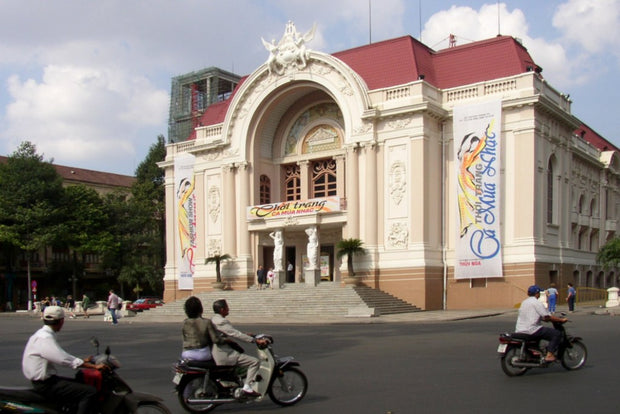 Saigon Opera House
The Saigon Opera House is located in the Dong Khoi cultural district, where i...
View details
 Saigon Central Post Office
 faces Notre-Dame Cathedral Square; the main hall, ...
View details
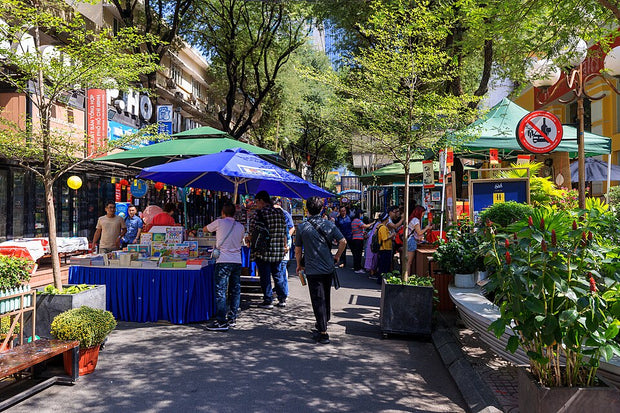 Nguyen Van Binh Book Street
Bookshops, publishers' stalls and cafés line this shaded pedestrian street be...
View details
Want to add this attraction to your itinerary?
We can help arrange a smoother route based on your departure city, trip length, private car, guide language, and family needs.